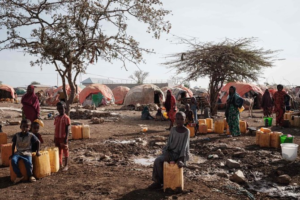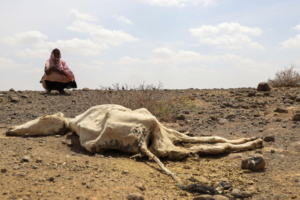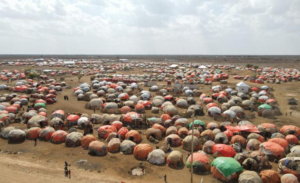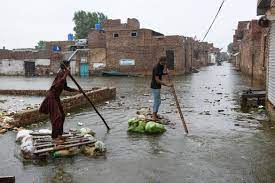
Climate change continues to wreak havoc on food production, supply chains and prices. The war in Ukraine is approaching its second year with predictions of even worse and potentially expanded fighting. Inflation, food shortages and supply chain issues drive up the price of food. This triumvirate creates a dire situation and another year of unprecedented hunger in Massachusetts, America and the World.
We need sound legislation that mandates programs that provide a sustainable supply of food. This can be a $15 minimum wage so working people can afford to buy their own food. It can be free breakfast and lunch for children under 18 in school. We know the solutions, we need the political will to implement them.
On the international level, we are past the point where charities can mobilize enough funds to provide for the emergency needs from climate change disasters, natural disasters, war, civil strife, the economic disruptions caused by the pandemic, the inflation and food, fuel and fertilizer shortages caused by the war in Ukraine. Some are ongoing crisis for years, others like climate and natqaural disasters are coming so fast that before campaigns can be launched There needs to be dedicated funding for humanitarian relief around the world which humanitarian organizations can draw on
Massachusetts
According to Project Bread, a Boston based humanitarian and advocacy organization, “prior to the pandemic, household food insecurity in Massachusetts was at 8.2%. The coronavirus pandemic fueled a hunger crisis unlike any other in our lifetime, at it’s peak rendering 19.6% of households food insecure. While the current rate of food insecurity is lower than at the height of the pandemic, too many households are still struggling with food access, and a return to pre-pandemic rates is not an option.
Rates of food insecurity have been hovering between 16% to 18% of all households in recent months. Project Bread has reported that current rate of food insecurity (16.8%) of all households. 16.8% of households in the second richest state in perhaps the richest country that has ever been. It is even worse in households with children under 18. As of early January 2023, Project Bread that estimated 21% of households with children are facing food insecurity.
For preschoolers, compared with children with no hunger, severe hunger was associated with homelessness (75% vs 48%), more traumatic life events (8.5 vs 6), low birth weight (23% vs 6%), and higher levels of chronic illness and internalizing behavior problems.
For school-aged children, severe hunger was a significant predictor of chronic illness after controlling for housing status, mother’s distress, low birth weight, and child live events. Hunger may impact a child’s school performance. Research demonstrates that children from families who are not sure where their next meal may come from are more likely to have lower math scores and repeat a grade, among other challenges.
Project Bread has and is pushing for legislation that would guarantee school meals/vouchers for all school children from kindergarten thru college. These measures need to be adopted and made permanent. We also need to provide more services and assistance to the 16.8% of Massachusetts households that don’t have enough to eat.
America
Estimates of the number of “food insecure” people in America range from 34 to 41 million depending on what data set they use. This means that tens of millions of people don’t know where their next meal is coming from. The White House held a historic conference on Hunger, Nutrition and Health and announced a number of initiatives to combat hunger. We can end hunger in America, it just takes the political will to do it. Massachusetts is one of a few states taking concrete steps to ensure that no child in school goes hungry. The Federal government needs to adopt similar permanent programs so that no child in America goes hungry.
The conference reported that one in 10 U.S. households were food insecure at least some time during 2020. “Suboptimal diets,” read the proliferation of diet-related diseases, such as obesity and type 2 diabetes have contributed to a situation in which only one in 15 U.S. adults have optimal cardiometabolic health. One in four children under 18 have prediabetes, one in four are overweight or have obesity, and one in eight have diet-related fatty liver disease.
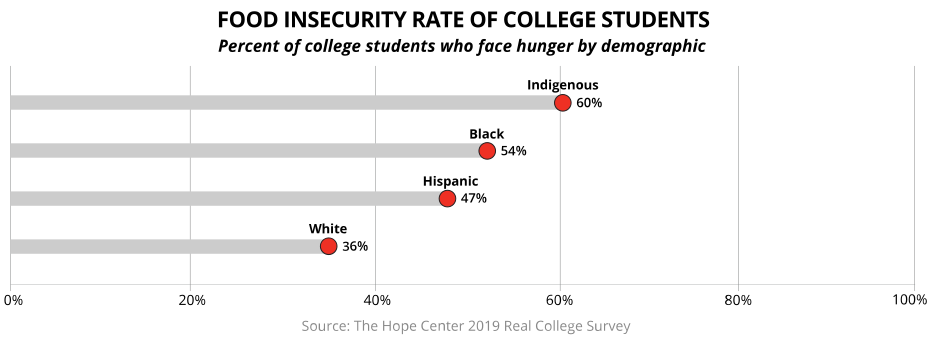
It is estimated that 10+% of all American households are food insecure: 7.2% of white and Asian households, 15.7 of Hispanic, 18.8% of Black and 25+% of Indigenous households are food insecure. For university students the rates are even more stark.
How can this be?
As stated at the White House Hunger Conference, we have the tools to end hunger in America and to ensure that all Americans have access to nutritious, affordable food, we just need the political will to act. Neither Republicans, Democrats nor Independents want people to be hungry. Unfortunately, the solutions are different.
Unfortunately, this has meant that the burden of feeding the hungry has fallen on charities and resulted in a nationwide network of food banks. Food banks serve an important purpose and for that person looking for their next meal, they are critical. However, too often, food banks receive less than nutritious food from food producers and food that needs to be discarded from supermarkets. The food banks provide tax benefits for these donors and allow them to meet their sustainability goals. But food banks also often provide food to the hungry that lead to dietary health disorders and allow a safety valve food producers and supermarkets to avoid the hard decisions about how to cut down on food waste.
As has been proven in Massachusetts and on the federal level, to provide a steady flow of food and lifting people out of food insecurity requires legislative change. Feed all students. Provide SNAP and WIC benefits for all people who qualify. Provide easy access to all sources of food aid in a single program so people do not have to spend hours going from agency to agency, or even figuring what programs are available for their special circumstances.
The World
As the war in Ukraine approaches its second year, climate change continues to wreak havoc, the earthquake in Syria and Turkey, wars and civil conflicts, economic shocks and soaring fertilizer prices all lead experts to predict another year of dire consequences for global food security.
Hundreds of Millions Facing Severe Hunger
As many as 828 million people are are facing severe hunger. 49 million people are facing starvation in 46 countries, according to a study by the Food and Agriculture Organization and the World Food Program. The slightest shock will push them over the edge. The earthquake in Turkey and Syria has worsened this problem.
The number of people facing starvation has risen from 42 million early in 2022 and up from 27 million in 2019.
Disasters are becoming more frequent, more widespread and more devastating. Humanitarian organizations can not raise sufficient funds to respond to one disaster before they need to respond to the next. There needs to be a dedicated fund to provide a steady flow of funds so that there can be emergency relief when it is needed and to ensure that there is sustainable and resilient rebuilding of these countries.
The problem seems overwhelming, but we have the expertise and countries can manifest the amounts needed if there is the political will. Support the World Food Programme, Save the Children, Oxfam, the International Rescue Committee and the other reputable humanitarian organizations. But more broadly, urge your elected representatives to pass just hunger measures on the local state and federal levels. Also, support efforts for a permanent flow of funding to respond to the international hunger and disaster crisis.