Categories
Climate Change Climate Crisis Food emergency Hunger Natural Disasters War

African Countries Hit By Climate Change and Hunger Crisis

The UN’s World Food Programme (WFP) has warned that food aid for 1.4 million people in Chad faces a “looming halt” because there is no money, even as the country is experiencing an influx of refugees from the fighting in Sudan’s Darfur region.

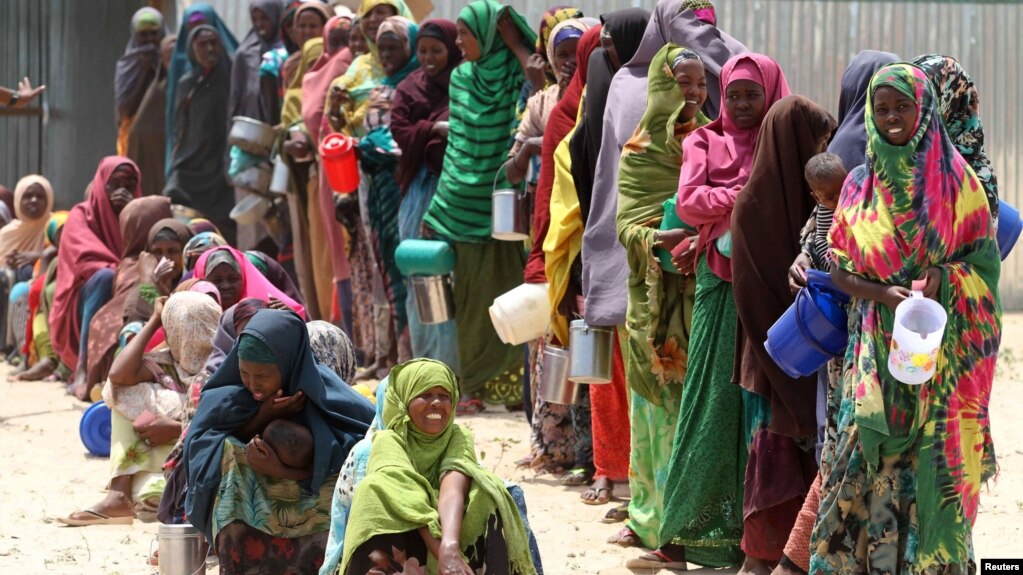
On the other side of the continent, climate change has upended lives and livelihoods across the Horn of Africa in the last two years. The United Nations has said 4.3 million people, a quarter of Somalia’s population, are at risk of “crisis-level hunger or worse” this year due to drought and floods. According to Somalia’s disaster management agency SoDMA, the torrential rains have affected nearly 1.5 million people in South-Central and caused the death of at least 50 people. Its data shows that 687,235 people in the Gedo, Hiraan, Bay and Bakool regions were forced to flee their houses, as floodwaters swept away key bridges and destroyed up to 6,000 houses.

Funding shortfalls and increasing humanitarian needs mean World Food Programme (WFP) will have to pause food for millions of displaced people and refugees in Nigeria, Central African Republic and Cameroon beginning in December. These are people who have experienced war, compounded by climate change propelled natural disasters. Children are the hardest hit and are experiencing life changing food insecurity which could lead to starvation.

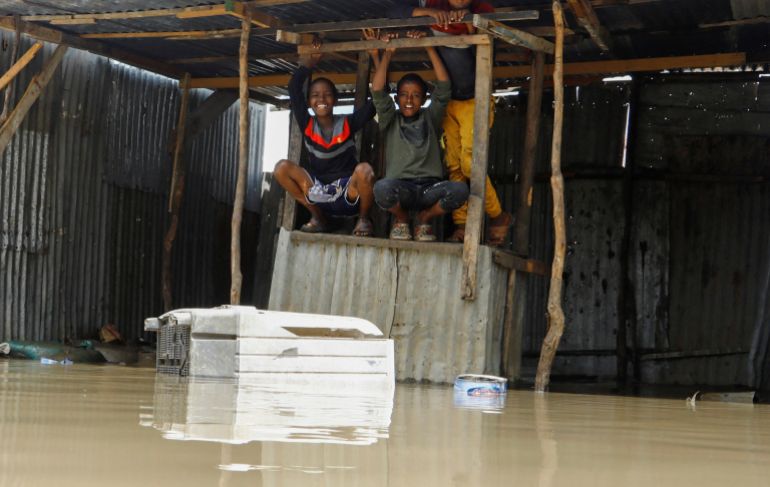
It’s time for people in Western coun tries to dig deep and help their fellow citizens of planet Earth who are suffering from the impacts of a change to the climate that they did little to cause. @WFP @SavetheChildren @IRC @Oxfam #WFP #SavetheChildren #IRC #OxfamSomali boys play on a flooded kiosk stands near makeshift shelters destroyed following heavy rains at the Al Hidaya camp for the internally displaced people on the outskirts of Mogadishu, Somalia November 6, 2023

Categories
Climate Change Climate Crisis Food emergency Food Resiliency Hunger Natural Disasters War

Permanent Fund and New Legislation Needed: As Another Bleak Year Expected for Hunger in Massachusetts, America and the World

Climate change continues to wreak havoc on food production, supply chains and prices. The war in Ukraine is approaching its second year with predictions of even worse and potentially expanded fighting. Inflation, food shortages and supply chain issues drive up the price of food. This triumvirate creates a dire situation and another year of unprecedented hunger in Massachusetts, America and the World.

We need sound legislation that mandates programs that provide a sustainable supply of food. This can be a $15 minimum wage so working people can afford to buy their own food. It can be free breakfast and lunch for children under 18 in school. We know the solutions, we need the political will to implement them.

On the international level, we are past the point where charities can mobilize enough funds to provide for the emergency needs from climate change disasters, natural disasters, war, civil strife, the economic disruptions caused by the pandemic, the inflation and food, fuel and fertilizer shortages caused by the war in Ukraine. Some are ongoing crisis for years, others like climate and natqaural disasters are coming so fast that before campaigns can be launched There needs to be dedicated funding for humanitarian relief around the world which humanitarian organizations can draw on

Massachusetts

According to Project Bread, a Boston based humanitarian and advocacy organization, “prior to the pandemic, household food insecurity in Massachusetts was at 8.2%. The coronavirus pandemic fueled a hunger crisis unlike any other in our lifetime, at it’s peak rendering 19.6% of households food insecure. While the current rate of food insecurity is lower than at the height of the pandemic, too many households are still struggling with food access, and a return to pre-pandemic rates is not an option.

Rates of food insecurity have been hovering between 16% to 18% of all households in recent months. Project Bread has reported that current rate of food insecurity (16.8%) of all households. 16.8% of households in the second richest state in perhaps the richest country that has ever been. It is even worse in households with children under 18. As of early January 2023, Project Bread that estimated 21% of households with children are facing food insecurity.

For preschoolers, compared with children with no hunger, severe hunger was associated with homelessness (75% vs 48%), more traumatic life events (8.5 vs 6), low birth weight (23% vs 6%), and higher levels of chronic illness and internalizing behavior problems.

For school-aged children, severe hunger was a significant predictor of chronic illness after controlling for housing status, mother’s distress, low birth weight, and child live events. Hunger may impact a child’s school performance. Research demonstrates that children from families who are not sure where their next meal may come from are more likely to have lower math scores and repeat a grade, among other challenges.

Project Bread has and is pushing for legislation that would guarantee school meals/vouchers for all school children from kindergarten thru college. These measures need to be adopted and made permanent. We also need to provide more services and assistance to the 16.8% of Massachusetts households that don’t have enough to eat.

America 

Estimates of the number of “food insecure” people in America range from 34 to 41 million depending on what data set they use. This means that tens of millions of people don’t know where their next meal is coming from. The White House held a historic conference on Hunger, Nutrition and Health and announced a number of initiatives to combat hunger. We can end hunger in America, it just takes the political will to do it. Massachusetts is one of a few states taking concrete steps to ensure that no child in school goes hungry. The Federal government needs to adopt similar permanent programs so that no child in America goes hungry.

The conference reported that one in 10 U.S. households were food insecure at least some time during 2020. “Suboptimal diets,” read the proliferation of diet-related diseases, such as obesity and type 2 diabetes have contributed to a situation in which only one in 15 U.S. adults have optimal cardiometabolic health. One in four children under 18 have prediabetes, one in four are overweight or have obesity, and one in eight have diet-related fatty liver disease.

It is estimated that 10+% of all American households are food insecure: 7.2% of white and Asian households, 15.7 of Hispanic, 18.8% of Black and 25+% of Indigenous households are food insecure. For university students the rates are even more stark.
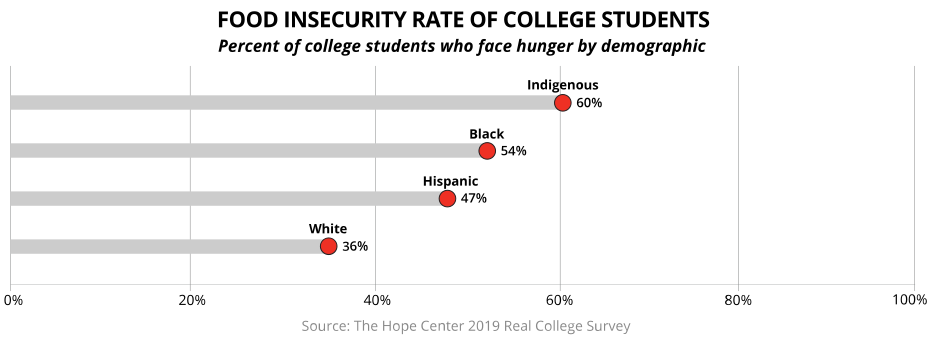
Graph with Rates Of Food Insecure College Students

How can this be?

As stated at the White House Hunger Conference, we have the tools to end hunger in America and to ensure that all Americans have access to nutritious, affordable food, we just need the political will to act. Neither Republicans, Democrats nor Independents want people to be hungry. Unfortunately, the solutions are different.

Unfortunately, this has meant that the burden of feeding the hungry has fallen on charities and resulted in a nationwide network of food banks. Food banks serve an important purpose and for that person looking for their next meal, they are critical. However, too often, food banks receive less than nutritious food from food producers and food that needs to be discarded from supermarkets. The food banks provide tax benefits for these donors and allow them to meet their sustainability goals. But food banks also often provide food to the hungry that lead to dietary health disorders and allow a safety valve food producers and supermarkets to avoid the hard decisions about how to cut down on food waste.

As has been proven in Massachusetts and on the federal level, to provide a steady flow of food and lifting people out of food insecurity requires legislative change. Feed all students. Provide SNAP and WIC benefits for all people who qualify. Provide easy access to all sources of food aid in a single program so people do not have to spend hours going from agency to agency, or even figuring what programs are available for their special circumstances.

The World

As the war in Ukraine approaches its second year, climate change continues to wreak havoc, the earthquake in Syria and Turkey, wars and civil conflicts, economic shocks and soaring fertilizer prices all lead experts to predict another year of dire consequences for global food security.

Hundreds of Millions Facing Severe Hunger

As many as 828 million people are are facing severe hunger. 49 million people are facing starvation in 46 countries, according to a study by the Food and Agriculture Organization and the World Food Program. The slightest shock will push them over the edge. The earthquake in Turkey and Syria has worsened this problem.

The number of people facing starvation has risen from 42 million early in 2022 and up from 27 million in 2019.

Disasters are becoming more frequent, more widespread and more devastating. Humanitarian organizations can not raise sufficient funds to respond to one disaster before they need to respond to the next. There needs to be a dedicated fund to provide a steady flow of funds so that there can be emergency relief when it is needed and to ensure that there is sustainable and resilient rebuilding of these countries.

The problem seems overwhelming, but we have the expertise and countries can manifest the amounts needed if there is the political will. Support the World Food Programme, Save the Children, Oxfam, the International Rescue Committee and the other reputable humanitarian organizations. But more broadly, urge your elected representatives to pass just hunger measures on the local state and federal levels. Also, support efforts for a permanent flow of funding to respond to the international hunger and disaster crisis.

Categories
Climate Change Climate Crisis Food emergency Hunger Natural Disasters Uncategorized

Climate change is driving record temperatures almost every day!

Climate change is driving virtually every day

Climate change is driving temperatures higher with record temperatures being set virtually every day.

#climate #climatechange #climatecisis #climateemergency #droughts #croplosses #hunger

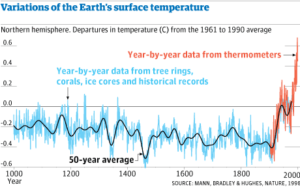
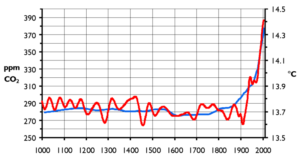
For 800,000 years or more, the temperature of the Earth had been tied to the level of carbon dioxide in the atmosphere. For a thousand years, the temperature has fluctuated in sync with the concentrations of carbon dioxide (CO2). From 1000 CE until the mid-1900s CO2 concentrations were about 290 ppm on average. Since the industrial revolution, man has pushed the carbon dioxide concentration to more than 417 ppm and climbing. The temperature is climbing as well. We have already locked in a certain amount of climate change, we must act to make sure it is not more.

Climate #climatechange #climatecrisis #climateemergency #droughts #croplosses #hunger

Carbon dioxide concentrations are now 417.16 ppm, almost 79% higher than the average for the last thousand years!  Temperatures now are screaming up as well, following the CO2 concentrations.

Carbon dioxide that we emit today will stay at least 100 years in the atmosphere. We already have locked in a lot of warming, and related climate changes. We have to control greenhouse gas emissions so the world remains habitable for our children and grandchildren.

“Remains habitable for our children and grandchildren,” is an often-used phrase, but one we must take to heart and take steps to adapt to our already altered world!

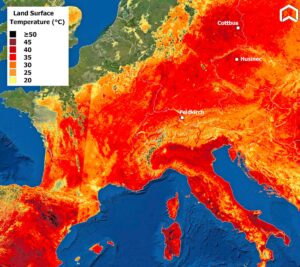
Record-breaking heat continued to affect parts of western Europe during the past week, with UK temperatures exceeding 40C (104F) for the first time since records began.

#climate #climatechange #climatecrisis #climateemergency #droughts #croplosses #hunger

Wildfires have been raging across parts of Europe and northern Africa, with 37,000 people evacuated from their homes in France as a result of the biggest fires in 30 years. Strong winds in northern Morocco have exacerbated wildfires, with firefighters still battling the flames.

#climare #climatechange #climatecrisis #climateemergency #droughts #cropfailures #hunger

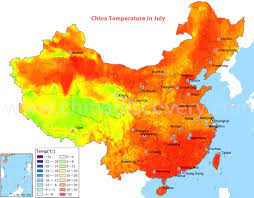
Meanwhile, people in China have been struggling to cope with torrential downpours and hot conditions with more than 900 million people feeling the effects of heat above 40C.

#climate #climatechange #climatecrisis #climateemergency #drought #cropfailure #hunger

#climate #climatechange #climatecrisis #climateemergency #droughts #cropfailures #hunger

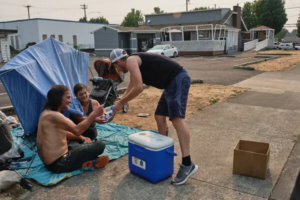
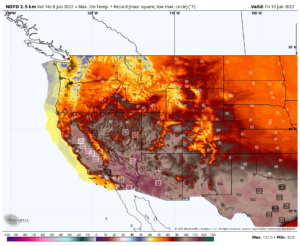
Extreme heat prompt has resulted in alerts in 28 states, including Texas and Oklahoma, both of which hit 115.

200 million people in America have experienced temperatures in the 90s or higher in the last three days. Temperature records have been obliterated in the Great Plains, where thermometers recorded 115 degrees for the first time in recorded history.

#climate #climatechange #climatecrisis #climateemergency #droughts #failedcrops #hunger

#climate #climatechange #climatecrisis #climateemergency #drought #hunger

It is time that we take to the streets, to the media and social media, to our elected officials and demand that our politicians finally take action. We can not just keep watching as the old corporations, conservative billionaires, their lobbyists and their followers corrupt our government and impede action on climate change.

It is our world, the only one we will ever know. We must act now to protect it!

Categories
Climate Change Climate Crisis Food emergency Food Resiliency Hunger Natural Disasters War

Over 3 million people in East Africa (Kenya, Ethiopia and Somalia) are facing starvation

Starvation Looming in Africa and the World’s Attention is Elsewhere!

People wait for water with containers at a camp, one of the 500 camps for internally displaced persons (IDPs) in town, in Baidoa, Somalia, on February 13, 2022. Insufficient rainfall since late 2020 has come as a fatal blow to populations already suffering from a locust invasion between 2019 and 2021, the Covid-19 pandemic. For several weeks, humanitarian organizations have multiplied alerts on the situation in the Horn of Africa, which raises fears of a tragedy similar to that of 2011, the last famine that killed 260,000 people in Somalia. – Desperate, hungry and thirsty, more and more people are flocking to Baidoa from rural areas of southern Somalia, one of the regions hardest hit by the drought that is engulfing the Horn of Africa. (Photo by YASUYOSHI CHIBA / AFP) (Photo by YASUYOSHI CHIBA/AFP via Getty Images)

Over 3 million people in East Africa (Kenya, Ethiopia and Somalia) are facing starvation but the world isn’t watching and they can’t even get in the newspaper.

Climate change is a major cause of this crisis. After four consecutive failed rains, hunger in the region is worsening week by week. People have already started dying from starvation and the window to prevent mass deaths is rapidly closing.

A joint report from Oxfam and Save the Children in May found that one person is dying of hunger every 48 seconds in drought-ravaged Kenya, Ethiopia and Somalia. The war in Ukraine has made food “unattainable for millions” of people in East Africa due to the increase in cost and scarcity of food.

The U.N. calls for donations to avert this catastrophe have fallen way short as donor countries grapple with their own increases in hunger and aid to the refugees fleeing the war in Ukraine hold donors’ interest and get their limited foreign aid funds.

People wait for food distributions and health services at a camp for internally displaced persons (IDPs) in Baidoa, Somalia, on February 14, 2022. Insufficient rainfall since late 2020 has come as a fatal blow to populations already suffering from a locust invasion between 2019 and 2021, the Covid-19 pandemic. For several weeks, humanitarian organizations have multiplied alerts on the situation in the Horn of Africa, which raises fears of a tragedy similar to that of 2011, the last famine that killed 260,000 people in Somalia. – Desperate, hungry and thirsty, more and more people are flocking to Baidoa from rural areas of southern Somalia, one of the regions hardest hit by the drought that is engulfing the Horn of Africa. (Photo by YASUYOSHI CHIBA / AFP) (Photo by YASUYOSHI CHIBA/AFP via Getty Images)

FAO and World Food Programme warn of looming widespread food crisis as hunger threatens stability in dozens of countries.

Climate change, conflict, weather extremes, economic shocks, the lingering impacts of COVID-19, and the ripple effects from the war in Ukraine push hundreds of millions of people in countries across the world into poverty and hunger – as food and fuel price spikes drive nations closer to instability.

We’re facing a perfect storm that is not just going to hurt the poorest of the poor – it’s also going to overwhelm hundreds of millions of families who until now have just about kept their heads above water.

Conditions now are much worse than during the Arab Spring in 2011 and 2007-2008 food price crisis, when 48 countries were rocked by political unrest, riots and protests. We’ve already seen what’s happening in Indonesia, Pakistan, Peru, and Sri Lanka – that’s just the tip of the iceberg. We have solutions. But we need to act, and act fast.

First, we must act to save those who are facing starvation. These disasters can still be averted, but people are already dying, children are already experiencing stunting which will have life-long effects. Once the immediate starvation is addressed the world must immediately focus on hunger in the world as many, many countries are experiencing instability due to high food costs and shortages and that is everyone’s problem to solve.

Starving people clamoring for food
#Ukraine #hunger #stophungernow #stophunger #hungeremergency #hungercrisis #fighthunger #climate crisis #climateemergency #climatechange #wheat #starvation #Oxfam #SavetheChildren #IRC

Millions will die unless they get immediate help. Support the international humanitarian organizations that are desperately trying to help: @Oxfam, @RESCUEorg, @WFP, @SavetheChildren, @UNICEF

Categories
Climate Change Climate Crisis Food emergency Food Resiliency Hunger Natural Disasters Uncategorized War

The First Government Falls Because of Food And Fuel Shortages And Climate Change

First country falls

I'M HUNGRY
I’M HUNGRY

Categories
Climate Change Food Resiliency Natural Disasters Uncategorized War

Like Lemmings, Humanity is Ignoring the Perils of Climate Change and Hunger, and Is Headed Off a Cliff

The latest Climate Report from the IPCC, confirms that climate change is and will increasingly cause food supply shocks.  Harvests are predicted to fail simultaneously in multiple major food-producing countries. Such shocks will lead to shortages and price spikes. Climate change is a “threat multiplier,” making hunger emergencies worse. In some cases, it will be the primary cause. Food productivity is already down 21%.

Climate change does not act in isolation, it compounds food shortages from the pandemic and the war in Ukraine, and makes risks increasingly complex and difficult to manage. Climate change is affecting agricultural productivity in many different ways. Climate change causes increases in mean and extreme temperatures, alters rain and snow amounts, changes the intensity and timing monsoons and storms .

Elevated CO2 concentrations cause uneven increases in temperatures worldwide. Fluctuating wind and jet stream patterns can bring arctic air south and tropical moist air into the arctic.

It is predicted that the world’s population will hit 10 billion people in 2050. It is also predicted that by 2050, we will have hotter temperatures, increased flooding, disruptions in rainy seasons, sea level rise, reduced access to freshwater, all of which will make feeding them more challenging.

The IPCC report demonstrates that if we surpass 1.5°C of warming in the next two decades, even temporarily will result in irreversible impacts to crop, animal and seafood production. Every inhabited region of the world will experience the effects of climate change on food.

Over 40 percent of the global population, already lives in places that are going to be devastated by climate impacts. Despite contributing the least to the problem, they face with the worst impacts and have little or no adaptation funding.

Insufficient rainfall since late 2020 has come as a fatal blow to populations already suffering from a locust invasion between 2019 and 2021, the Covid-19 pandemic. A drought is engulfing the Horn of Africa. (Photo by YASUYOSHI CHIBA / AFP) (Photo by YASUYOSHI CHIBA/AFP via Getty Images)

We laugh at the thought of lemmings running off cliffs into the sea. But humanity has all of the knowledge we need to know that we need to act immediately to build resiliency into our food production and distribution. And rather than taking action, the majority of people are continuing like zombies toward the cliff. We need to mobilize the resources necessary to prepare to the crisis we know is just around the corner.

We have to anticipate crop failures and encourage more production on moderate and low yield areas, so if, using an example from this year, floods reduce the wheat harvest in China at the same time that Russia and Ukraine go to war and potentially reduce global wheat supplies by 30%, there are alternate sources of food. We can do it. We need to stop being polite and demand action. Millions of people are at peril if these preparations are not made.

Categories
Climate Change Natural Disasters Uncategorized

Extraordinary Heat Waves Hit Both Poles!

Antarctic areas reach 40 degrees Celsius or 72 degrees Fahrenheit above normal at same time as north pole regions hit 30 degrees Celsius or 54 degrees Fahrenheit above usual levels!!!!!!!!!!!!!!!!!!!!!!!

At this time of year, the Antarctic should be rapidly cooling after its summer, and the Arctic only slowly emerging from its winter, as days lengthen. For both poles to show such heating at once is unprecedented.

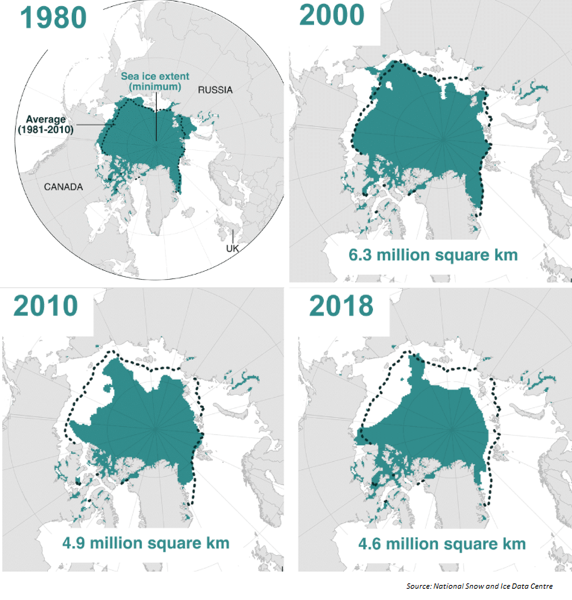
The danger is twofold: heatwaves at the poles are a strong signal of the damage humanity is wreaking on the climate; and the melting could also trigger further cascading changes that will accelerate climate breakdown.Arctic sea ice is melting at fastest rate ever. Climate change

As polar sea ice melts, particularly in the Arctic, it reveals dark sea that absorbs more heat than reflective ice, warming the planet further. Much of the Antarctic ice covers land, and its melting raises sea levels.

Scientists warned that the events unfolding were “historic”, “unprecedented” and “dramatic”. When are politicians going to hear their calls???

The iceberg, called A-76, measures about 105 miles in length and is over 15 miles wide. It broke from the western side of Ronne Ice Shelf in Antarctica’s Weddell Sea, the European Space Agency said. The iceberg is slightly larger than the Spanish island of Majorca and four times the size of New York City

Watch a massive calving in Antactica.

The iceberg, called A-76, measures about 105 miles in length and is over 15 miles wide. It broke from the western side of Ronne Ice Shelf in Antarctica’s Weddell Sea, the European Space Agency said. The iceberg is slightly larger than the Spanish island of Majorca and four times the size of New York City

1977, at McGill University in Montreal, I learned about the appearance of “global warming” which was being revealed as the world reduced sulfur dioxide emissions that were causing the acidification of lakes around the world. Since then, the reports have grown more and more dire.

At first scientists were subdued pointing out the problem politely, thinking that people would react to the science as they had with the ozone depleting substances and sulfur dioxide. They had not expected the backlash, false narrative and politicization of the issue that Big Oil unleashed.

Now they are shouting their warnings and still not enough people are alarmed. What can we do to magnify the voices for action to reduce the emissions of greenhouse gases?

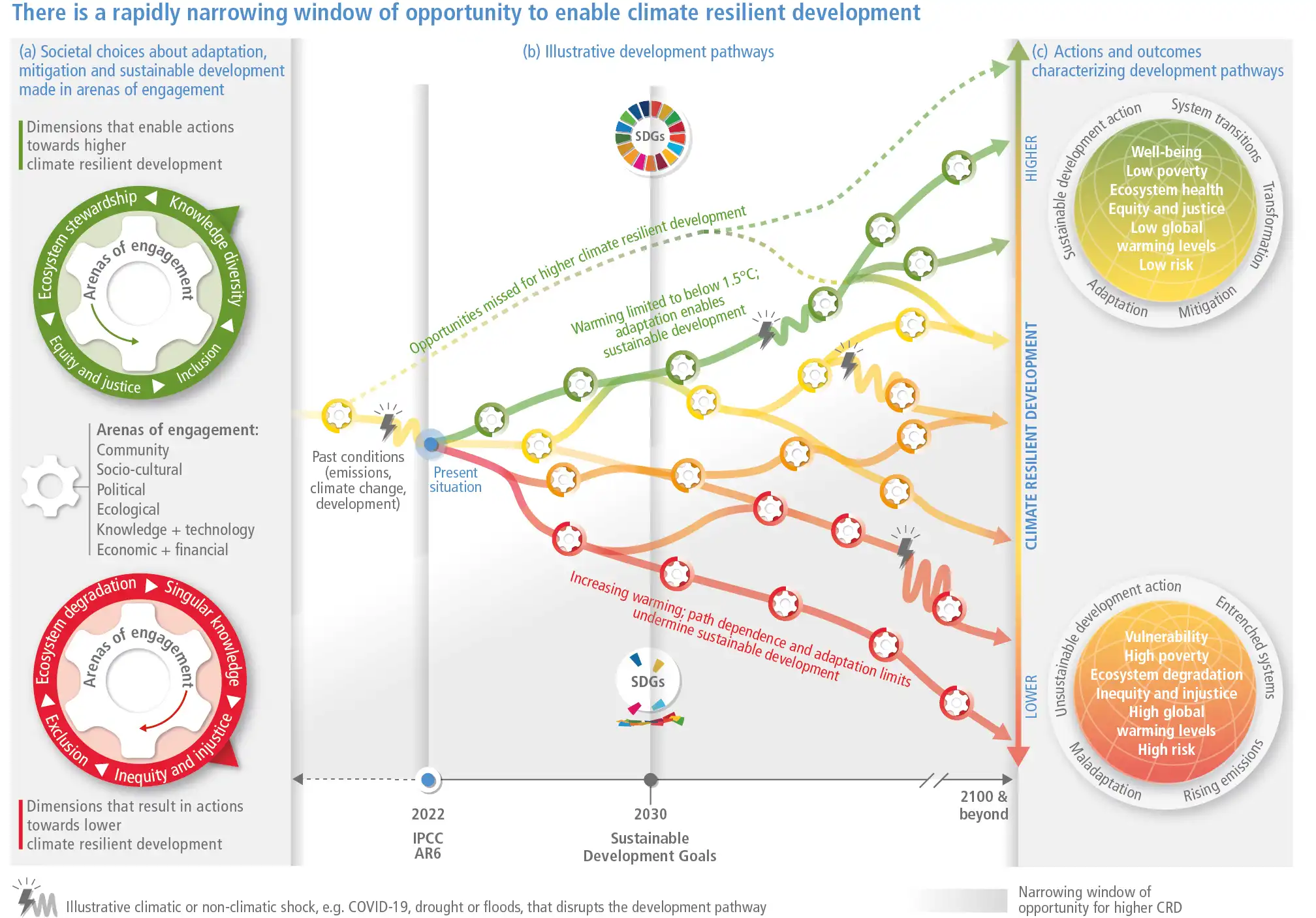
IPCC paths to different futures with disaster of climate change spelled out

The IPCC has plotted the disaster that is going to occur if we don’t durtail us of greenhouse gases. It also plots a path to a sustainable future. We have to follow that path!

Would love to hear ideas. Perhaps with a little help from you, we can make the changes happen!