Categories
Climate Change Climate Crisis Food emergency Hunger Natural Disasters War

African Countries Hit By Climate Change and Hunger Crisis

The UN’s World Food Programme (WFP) has warned that food aid for 1.4 million people in Chad faces a “looming halt” because there is no money, even as the country is experiencing an influx of refugees from the fighting in Sudan’s Darfur region.

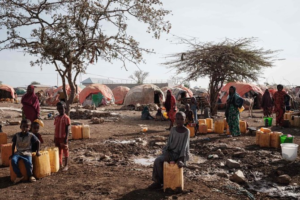
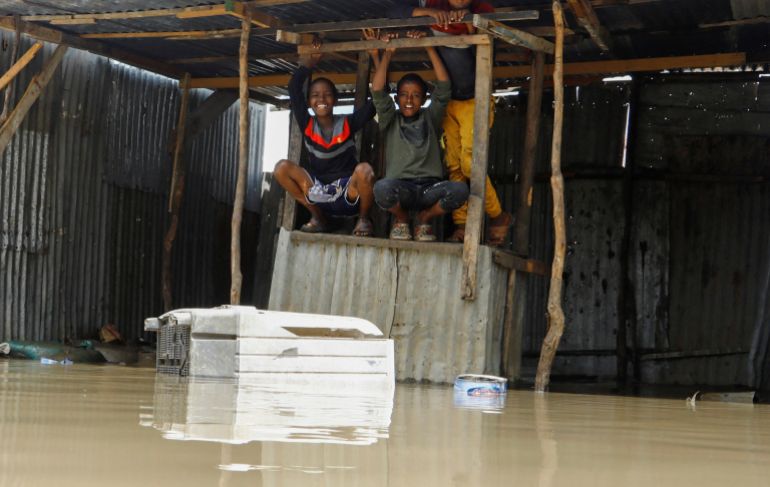
On the other side of the continent, climate change has upended lives and livelihoods across the Horn of Africa in the last two years. The United Nations has said 4.3 million people, a quarter of Somalia’s population, are at risk of “crisis-level hunger or worse” this year due to drought and floods. According to Somalia’s disaster management agency SoDMA, the torrential rains have affected nearly 1.5 million people in South-Central and caused the death of at least 50 people. Its data shows that 687,235 people in the Gedo, Hiraan, Bay and Bakool regions were forced to flee their houses, as floodwaters swept away key bridges and destroyed up to 6,000 houses.

Funding shortfalls and increasing humanitarian needs mean World Food Programme (WFP) will have to pause food for millions of displaced people and refugees in Nigeria, Central African Republic and Cameroon beginning in December. These are people who have experienced war, compounded by climate change propelled natural disasters. Children are the hardest hit and are experiencing life changing food insecurity which could lead to starvation.

It’s time for people in Western coun tries to dig deep and help their fellow citizens of planet Earth who are suffering from the impacts of a change to the climate that they did little to cause. @WFP @SavetheChildren @IRC @Oxfam #WFP #SavetheChildren #IRC #OxfamSomali boys play on a flooded kiosk stands near makeshift shelters destroyed following heavy rains at the Al Hidaya camp for the internally displaced people on the outskirts of Mogadishu, Somalia November 6, 2023
Categories
Climate Change Climate Crisis Food emergency Food Resiliency Hunger Natural Disasters Uncategorized War

DOES ANYONE CARE? DEDICATED HUMANITARIAN FUND, NOW!

The time for a dedicated stream of humanitarian funding to respond to climate driven natural disasters is now.

The head of the UN’s Office for the Coordination of Humanitarian Affairs (OCHA), said that “famine was at the door” and was likely to occur in south-central Somalia between October and December this year. “The drought, the worst in four decades, driven by climate change, is forecast to continue.

drought in Somalia
Drought in the Horn of Africa is forcing millions from their homes.

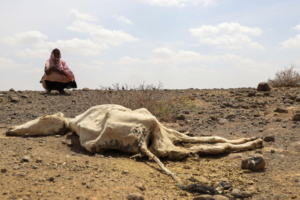
Consecutive years of below-average rainfall in the Horn of Africa have created one of the worst climate-related emergencies of the past 40 years. The protracted drought is forcing families to leave their homes in search of food and water, putting their health, safety and education at risk. The drought has killed millions of livestock, destroyed crops and is giving people no choice but to migrate to find help.

dead cattle from drought
Millions of livestock have died and crops have failed. This is the wealth of the people, have died leaving them with nothing.

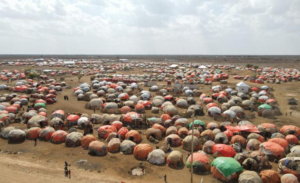
More than 1 million people in Somalia are homeless from the worst drought in decades. The drought is also causing starvation in Ethiopia, Dijibuti and Kenya.

mass migrations in Horn of Africa due to worst drought in 4 decades and it is set to get worse.
Mass migrations in Horn of Africa due to worst drought in 4 decades and it is set to get worse.

The World Food Programme has said 22 million people: as many people as live in the 7 largest cities in America: New York City, Los Angeles, Chicago, Houston, Phoenix, Philadelphia, and San Antonio; are at risk of starvation.

But funds are slow in coming, with Russia’s invasion of Ukraine among other crises drawing attention and money from the disaster in the Horn. Russia’s invasion also sent global food and fuel prices soaring, making aid delivery more expensive.

refugees from Ukraine
Russia’s war on Ukraine has caused millions of refugees.

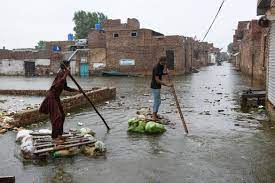
And now another natural disaster has struck Pakistan where monsoons 600 times as intense as normal flooded one third of the country. Humanitarian response was slow to materialize, with western media not even reporting it was happening until the magnitude of the crisis forced them to. The flooding in Pakistan has as of now killed 1300 and devastated one third of the country. It finally made western headlines and is attracting aid that is needed to respond to this historic disaster.

flooding in Pakistan
One third of Pakistan is devastated due to flooding. It is reported that the monsoons were 600 times the normal amount of rain.

While it is good that Pakistan is starting to get the aid and attention it deserves, that funding might have gone to the drought in the horn of Africa. But the drought is old news… Funding requests have raised only a small percentage of the aid needed to address this crisis.

Natural disasters used to come at a slow enough pace so when they happened, humanitarian organizations used to be able to raise funds and deploy the resources needed to respond to the crisis. Climate change now makes one disaster overlap with another. Humanitarian organizations are overwhelmed and donors have empathy fatigue. People in need are left to fend for themselves or die!

There needs to be a permanent stream of humanitarian funding from the major greenhouse gas contributors, so money available when needed and humanitarian organizations can respond to disasters when they happen with the resources that they need, no matter whether the disaster is in Europe, the Americas, Asia or Africa.


Categories
Climate Change Climate Crisis Food emergency Hunger Natural Disasters Uncategorized

Climate change is driving record temperatures almost every day!

Climate change is driving virtually every day

Climate change is driving temperatures higher with record temperatures being set virtually every day.

#climate #climatechange #climatecisis #climateemergency #droughts #croplosses #hunger

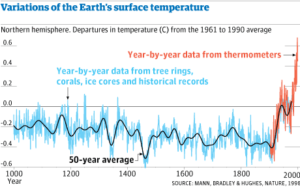
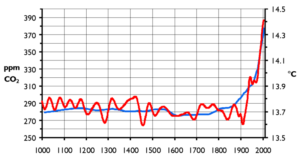
For 800,000 years or more, the temperature of the Earth had been tied to the level of carbon dioxide in the atmosphere. For a thousand years, the temperature has fluctuated in sync with the concentrations of carbon dioxide (CO2). From 1000 CE until the mid-1900s CO2 concentrations were about 290 ppm on average. Since the industrial revolution, man has pushed the carbon dioxide concentration to more than 417 ppm and climbing. The temperature is climbing as well. We have already locked in a certain amount of climate change, we must act to make sure it is not more.

Climate #climatechange #climatecrisis #climateemergency #droughts #croplosses #hunger

Carbon dioxide concentrations are now 417.16 ppm, almost 79% higher than the average for the last thousand years!  Temperatures now are screaming up as well, following the CO2 concentrations.

Carbon dioxide that we emit today will stay at least 100 years in the atmosphere. We already have locked in a lot of warming, and related climate changes. We have to control greenhouse gas emissions so the world remains habitable for our children and grandchildren.

“Remains habitable for our children and grandchildren,” is an often-used phrase, but one we must take to heart and take steps to adapt to our already altered world!

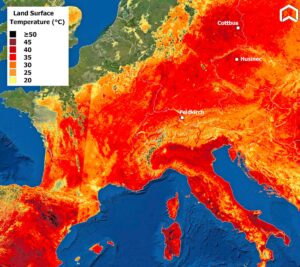
Record-breaking heat continued to affect parts of western Europe during the past week, with UK temperatures exceeding 40C (104F) for the first time since records began.

#climate #climatechange #climatecrisis #climateemergency #droughts #croplosses #hunger

Wildfires have been raging across parts of Europe and northern Africa, with 37,000 people evacuated from their homes in France as a result of the biggest fires in 30 years. Strong winds in northern Morocco have exacerbated wildfires, with firefighters still battling the flames.

#climare #climatechange #climatecrisis #climateemergency #droughts #cropfailures #hunger

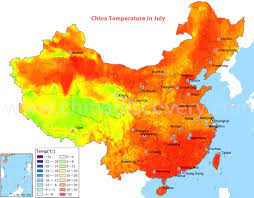
Meanwhile, people in China have been struggling to cope with torrential downpours and hot conditions with more than 900 million people feeling the effects of heat above 40C.

#climate #climatechange #climatecrisis #climateemergency #drought #cropfailure #hunger

#climate #climatechange #climatecrisis #climateemergency #droughts #cropfailures #hunger

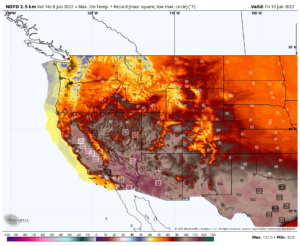
Extreme heat prompt has resulted in alerts in 28 states, including Texas and Oklahoma, both of which hit 115.

200 million people in America have experienced temperatures in the 90s or higher in the last three days. Temperature records have been obliterated in the Great Plains, where thermometers recorded 115 degrees for the first time in recorded history.

#climate #climatechange #climatecrisis #climateemergency #droughts #failedcrops #hunger

#climate #climatechange #climatecrisis #climateemergency #drought #hunger

It is time that we take to the streets, to the media and social media, to our elected officials and demand that our politicians finally take action. We can not just keep watching as the old corporations, conservative billionaires, their lobbyists and their followers corrupt our government and impede action on climate change.

It is our world, the only one we will ever know. We must act now to protect it!

Categories
Climate Change Climate Crisis Food emergency Food Resiliency Hunger Natural Disasters War

Over 3 million people in East Africa (Kenya, Ethiopia and Somalia) are facing starvation

Starvation Looming in Africa and the World’s Attention is Elsewhere!

People wait for water with containers at a camp, one of the 500 camps for internally displaced persons (IDPs) in town, in Baidoa, Somalia, on February 13, 2022. Insufficient rainfall since late 2020 has come as a fatal blow to populations already suffering from a locust invasion between 2019 and 2021, the Covid-19 pandemic. For several weeks, humanitarian organizations have multiplied alerts on the situation in the Horn of Africa, which raises fears of a tragedy similar to that of 2011, the last famine that killed 260,000 people in Somalia. – Desperate, hungry and thirsty, more and more people are flocking to Baidoa from rural areas of southern Somalia, one of the regions hardest hit by the drought that is engulfing the Horn of Africa. (Photo by YASUYOSHI CHIBA / AFP) (Photo by YASUYOSHI CHIBA/AFP via Getty Images)

Over 3 million people in East Africa (Kenya, Ethiopia and Somalia) are facing starvation but the world isn’t watching and they can’t even get in the newspaper.

Climate change is a major cause of this crisis. After four consecutive failed rains, hunger in the region is worsening week by week. People have already started dying from starvation and the window to prevent mass deaths is rapidly closing.

A joint report from Oxfam and Save the Children in May found that one person is dying of hunger every 48 seconds in drought-ravaged Kenya, Ethiopia and Somalia. The war in Ukraine has made food “unattainable for millions” of people in East Africa due to the increase in cost and scarcity of food.

The U.N. calls for donations to avert this catastrophe have fallen way short as donor countries grapple with their own increases in hunger and aid to the refugees fleeing the war in Ukraine hold donors’ interest and get their limited foreign aid funds.

People wait for food distributions and health services at a camp for internally displaced persons (IDPs) in Baidoa, Somalia, on February 14, 2022. Insufficient rainfall since late 2020 has come as a fatal blow to populations already suffering from a locust invasion between 2019 and 2021, the Covid-19 pandemic. For several weeks, humanitarian organizations have multiplied alerts on the situation in the Horn of Africa, which raises fears of a tragedy similar to that of 2011, the last famine that killed 260,000 people in Somalia. – Desperate, hungry and thirsty, more and more people are flocking to Baidoa from rural areas of southern Somalia, one of the regions hardest hit by the drought that is engulfing the Horn of Africa. (Photo by YASUYOSHI CHIBA / AFP) (Photo by YASUYOSHI CHIBA/AFP via Getty Images)

FAO and World Food Programme warn of looming widespread food crisis as hunger threatens stability in dozens of countries.

Climate change, conflict, weather extremes, economic shocks, the lingering impacts of COVID-19, and the ripple effects from the war in Ukraine push hundreds of millions of people in countries across the world into poverty and hunger – as food and fuel price spikes drive nations closer to instability.

We’re facing a perfect storm that is not just going to hurt the poorest of the poor – it’s also going to overwhelm hundreds of millions of families who until now have just about kept their heads above water.

Conditions now are much worse than during the Arab Spring in 2011 and 2007-2008 food price crisis, when 48 countries were rocked by political unrest, riots and protests. We’ve already seen what’s happening in Indonesia, Pakistan, Peru, and Sri Lanka – that’s just the tip of the iceberg. We have solutions. But we need to act, and act fast.

First, we must act to save those who are facing starvation. These disasters can still be averted, but people are already dying, children are already experiencing stunting which will have life-long effects. Once the immediate starvation is addressed the world must immediately focus on hunger in the world as many, many countries are experiencing instability due to high food costs and shortages and that is everyone’s problem to solve.

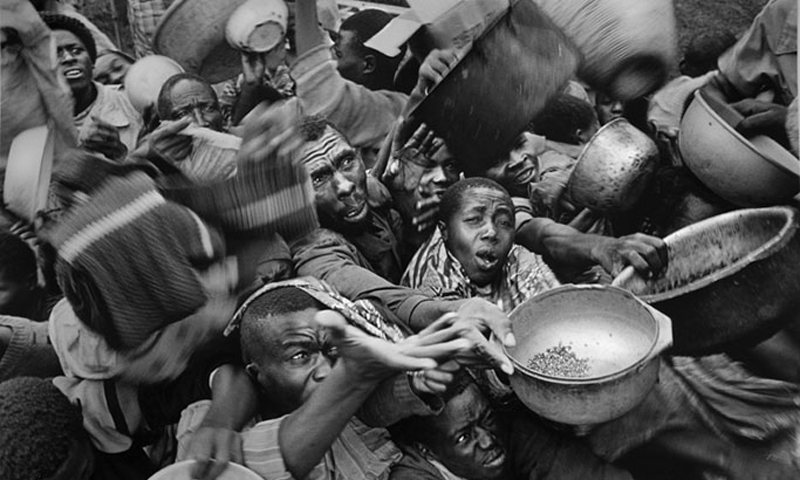
Starving people clamoring for food
#Ukraine #hunger #stophungernow #stophunger #hungeremergency #hungercrisis #fighthunger #climate crisis #climateemergency #climatechange #wheat #starvation #Oxfam #SavetheChildren #IRC

Millions will die unless they get immediate help. Support the international humanitarian organizations that are desperately trying to help: @Oxfam, @RESCUEorg, @WFP, @SavetheChildren, @UNICEF

Categories
Climate Change Climate Crisis Food emergency Food Resiliency Hunger Natural Disasters Uncategorized War

The First Government Falls Because of Food And Fuel Shortages And Climate Change

First country falls

I'M HUNGRY
I’M HUNGRY